PT
PT  EN
EN  ES
ES  FR
FR 
Coluna do presidente
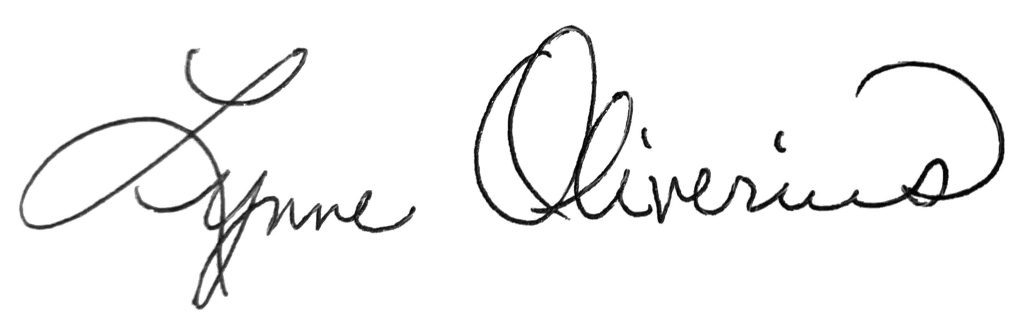
Por Lynne Oliverius
We are the people of creativity.
We are the people of collaboration.
These attributes of who we are as individuals and as an organization were on full display at our 2026 Biennial SAA Conference in San Francisco, February 25–28, and continue throughout interactions with our membership in communities, schools, and outreach efforts. The gathering at the conference of our many diverse voices, cultures, instruments, and ideas was enlivening. It strengthened our bond and heartfelt desire to honor and remain true to the method and legacy Dr. Suzuki gave us. We were challenged to think and act creatively in forging new pathways of inclusion and to open doors and step out with confidence and conviction.
Honoring Dr. Suzuki’s legacy continues at the forefront of our work. This is what binds us together, connecting through the understanding that all children can learn, each is important, and music is the way we convey that message. The conference enabled discussions about our history, our account of those who forged the path for the current generation, members’ own pedagogical journeys, and how to preserve the documented history of the SAA. An endeavor is being launched to hold this valuable information in physical form and recorded experiences.
In her keynote address, “Connecting Social Justice, Music and Disability,” Dr. Alice Hammel enlightened us with proven experiences to aid in adapting our thinking, our teaching, and our performing in creating music that is open to all. How do you view those who might be challenging in your classes, your lessons? Are you creative in both your approach and implementation of alternate and equally valuable experiences? Yes, we as Suzuki teachers continue to stretch ourselves in pursuit of mastery and positive experiences for all who participate in our communities. Let’s continue to create pathways that include those who offer us an opportunity to become more aware and inclusive teachers. Dr. Hammel shared an insightful manner in which to view our students or anyone we encounter. Some have been given many privileges at birth and during their younger years: a stable family, a good home life, proper nutrition, and opportunities to be educated. She calls these life privileges “poker chips”. Contrast that with others who have not had any of the above or only a portion. Some children and students arrive in our lives with a wagon full of chips while others arrive with less than a handful. Can you remember how many you arrived with? When we can provide a poker chip to help fill someone else’s wagon, we are acknowledging, including, and helping to raise them up. Give of your chips and uplift others for in giving you do indeed receive.
Continue to collaborate.
Continue to be creative.
Let the foundations of the Suzuki Method so strongly built by Dr. Suzuki be your support and guiding light. Honor the foundation, strive to see each person as an individual, and approach your life’s work as a gift and opportunity to enhance, encourage and shape a soul.